
Free, trusted gender data and practical tools, including the Equal Measures Gender Equality Index, that help Factivists use evidence to make inequality visible, challenge misinformation and influence the decisions that shape people’s lives.

Data alone does not change the world. Movements do.
Equal Measures strengthens the evidence, capabilities and connections that movements need to turn facts into action, shift power and change systems for gender equality.

Impact in Numbers
What happens when feminist movements get the data, tools, and training to make their case.
2.1k+
Advocates trained in Data-Driven Advocacy
Strengthening feminist data capacity across three regions
98%
said it made their advocacy more effective
Nearly every advocate we train reports that data-driven advocacy strengthens their ability to influence decision-makers.
67k+
people accessed the SDG Gender Index.
Advocates, journalists, policymakers, and researchers in 207 countries turning gender data into action in their own contexts
How We Build Data-Powered Gender Equality Movements
Since 2016, we have helped gender equality movements transform data into action through:
- Deep Partnerships: Long-term collaboration with grassroots women’s organizations and movements.
- Innovative Gender Data Tools: Including the Equal Measures Gender Index.
- Training & Learning: Data-Driven Advocacy workshops and learning opportunities using our curriculum.
- Global Factivist Network: Connections across a growing international community.
- Flexible Funding: More than US$4 million in grants provided for data-driven advocacy.
- Regional & Global Platforms: Helping movements reach influential decision-making spaces.
- Research & Evidence: Strengthening the case for feminist movements.
❝
“The training is crucial as it has led to a fundamental shift in the way that we carry out our advocacy… Learning to combine qualitative and quantitative evidence in our advocacy has been impactful. It has enabled us to shine a spotlight on women’s issues in the communities where we work, to convince candidates and civil servants to pay attention.”
— Participant in a Data-Driven Advocacy workshop led by La Ruta Pacífica de las Mujeres, Bolívar, Colombia (May 2019)
Turning Data into Local Action
How do we know data-powered movements spark change? Our founding network members demonstrate this through on-the-ground influencing efforts including:

Budget wins for marginalized groups

Legislative and policy change
Stronger institutions and accountability mechanisms
Greater political participation and leadership
Wider adoption of gender data

Stronger, more connected movements
Impact in Practice
Latin American and the Caribbean
CLADEM
When Law Meets Data, Governments Answer
Read full case study >
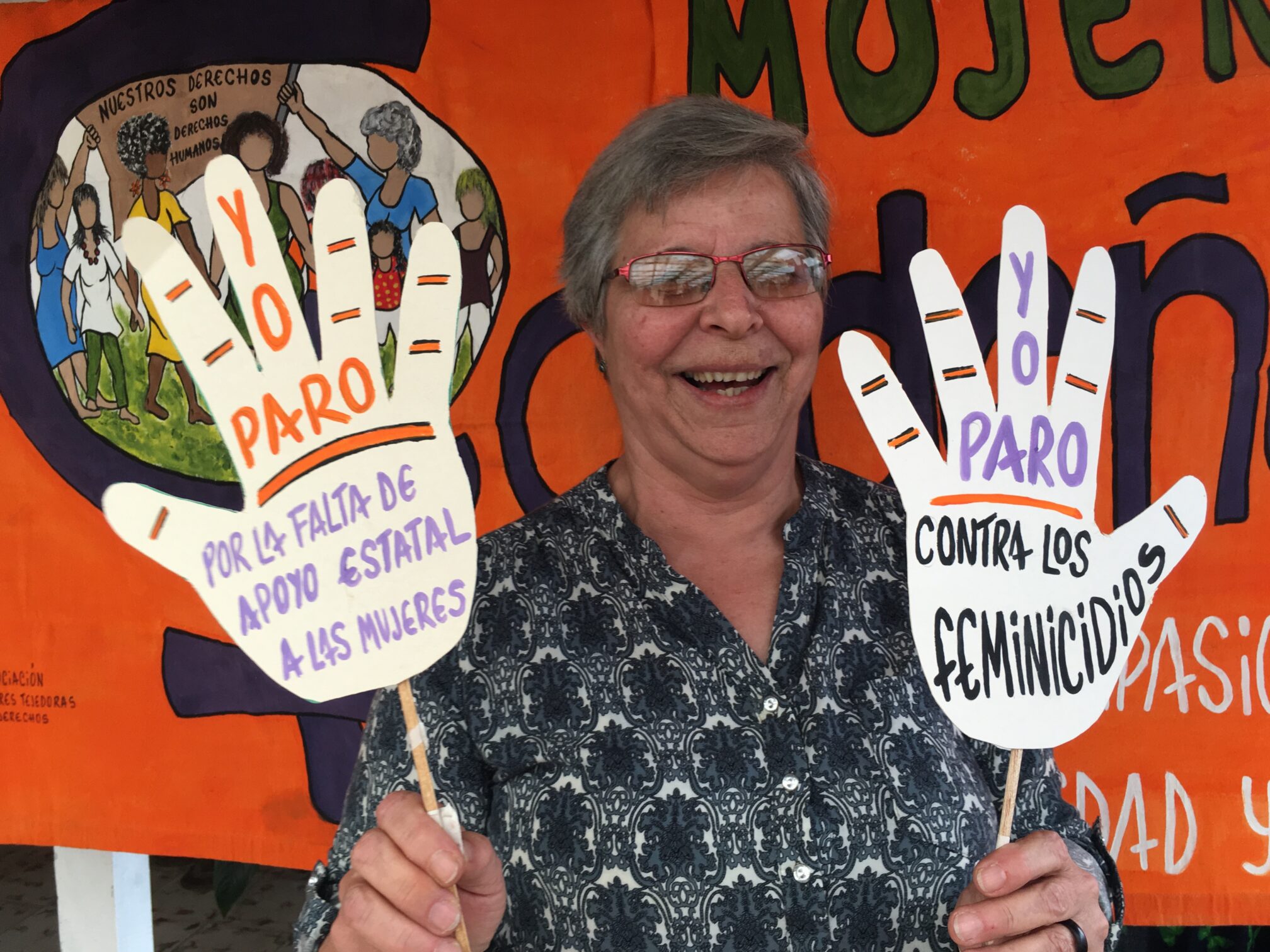
CLADEM has spent 30 years using strategic litigation and treaty monitoring to advance women’s rights across 14 countries. Equal Measures’ data tools added quantitative weight to those arguments. Their legal challenge to Brazil’s parental alienation laws was referenced by the Federal Supreme Court, their diploma programmes embedded data skills across 12+ countries, and their shadow reports held 9 governments to account against international commitments.
Sub-Saharan Africa
FEMNET
Making Sure Africa's Women Count — and Are Counted
Read full case study >
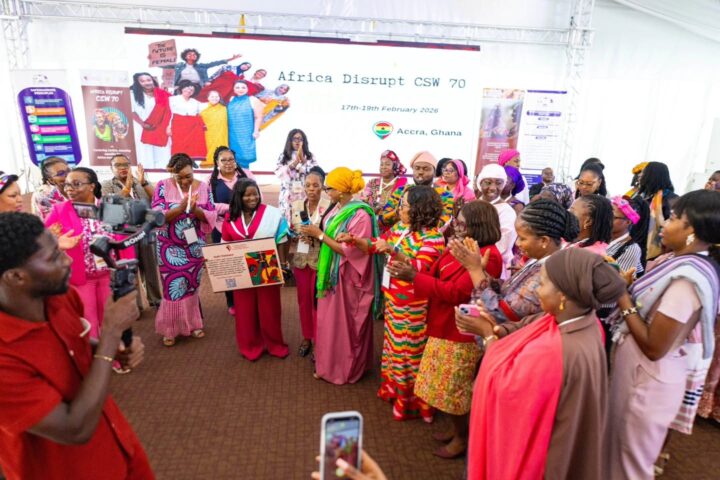
FEMNET connects 800+ women’s rights organisations across 46 African countries to the policy spaces where decisions are made. Through the Equal Measures partnership, FEMNET trained over 700 advocates to use data in policy and budget discussions, led Beijing+30 consultations reaching 3,100+ participants across all five African subregions, and carried their position statement directly into the African Group negotiating position at CSW69 — ensuring African feminist priorities shaped the review, not just responded to it.
India
SAHAJ
Shaping Decision-Makers Before They Take Power
Read full case study >
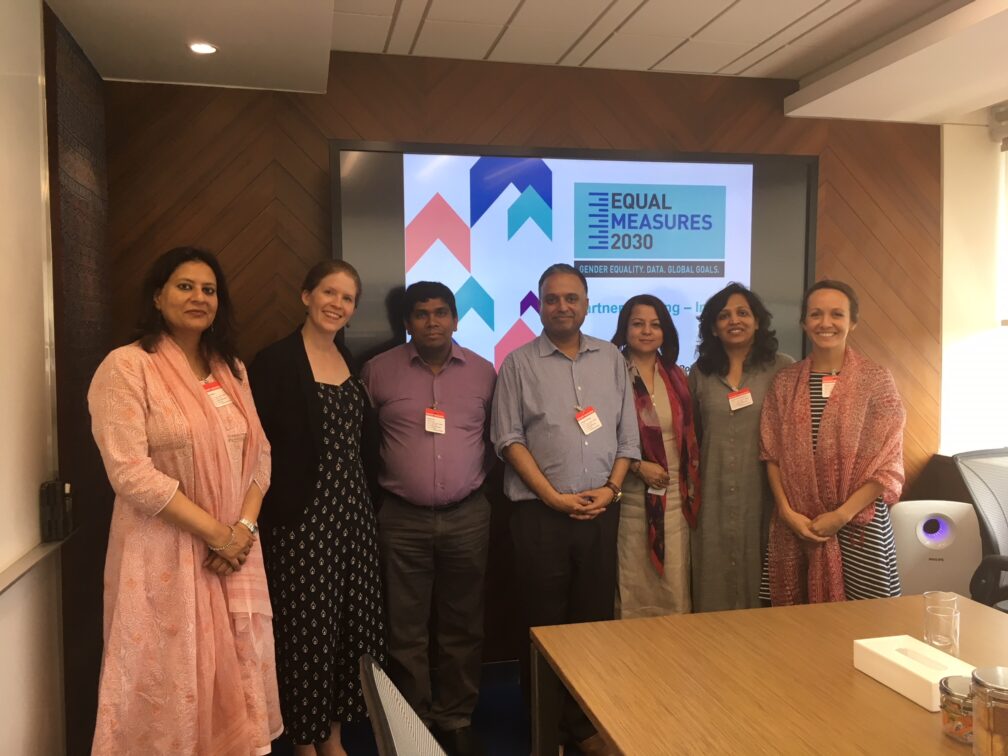
SAHAJ has spent nearly four decades building grassroots health accountability across India. Equal Measures’ Index and training connected that expertise to national policy spaces — leading to their methodology being approved for India’s national gender measurement framework, civil servant training content reaching 250,000+ views, and a university credit course embedding gender data into how India’s future policymakers learn.
Senegal
Réseau Siggil Jigéen
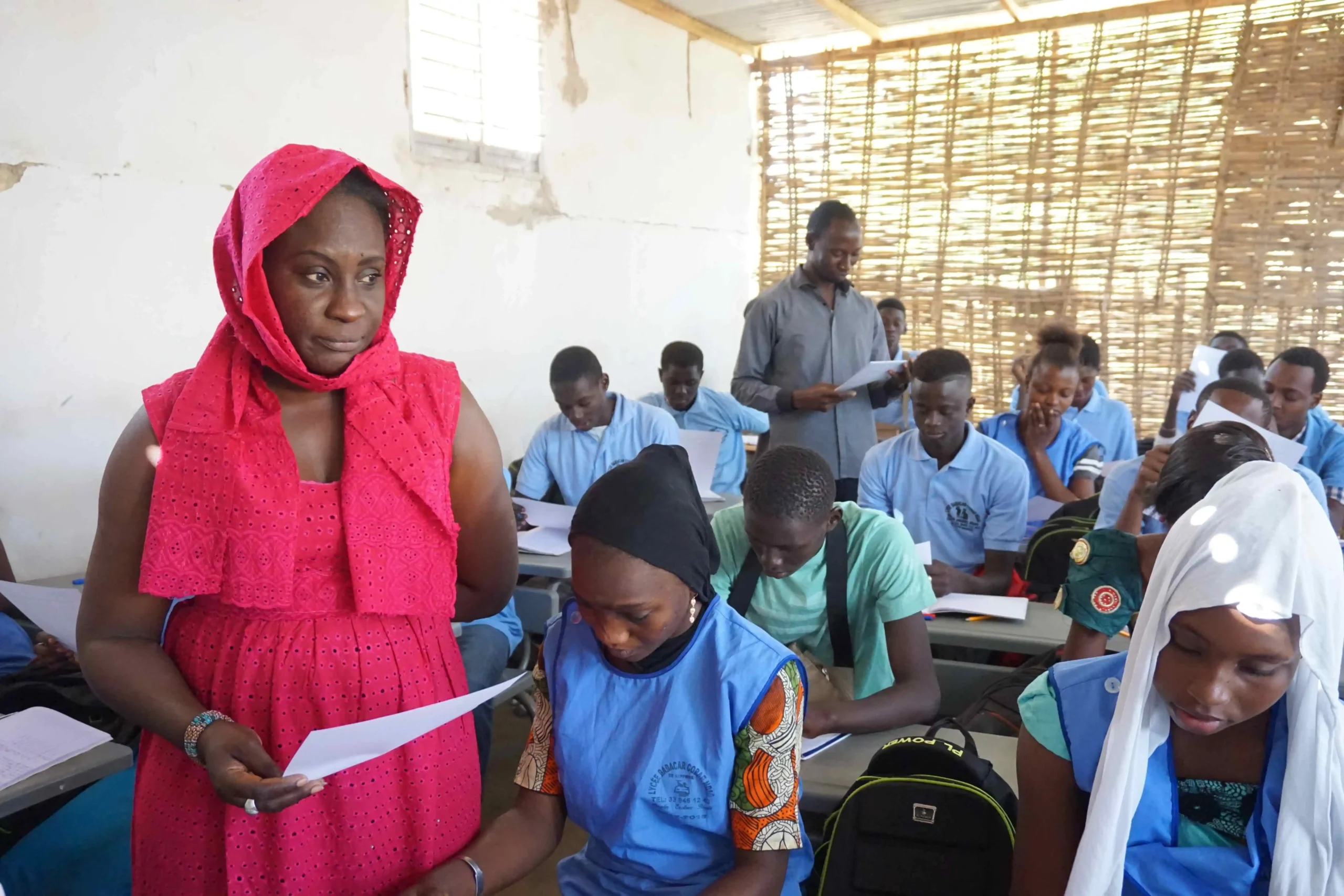
Turning Strong Laws into Lived Reality
Read full case study >
Senegal has some of the strongest gender equality legislation in West Africa — but laws enacted and then “put in a drawer” don’t help families. RSJ used Equal Measures’ Index and advocacy training to turn implementation gaps into measurable targets, training 146 advocates who went on to secure municipal funding for adolescent health, bring three private sector actors into gender financing for the first time, and win ministry-level budget commitments for gender-responsive education.
Indonesia
KAPAL Perempuan
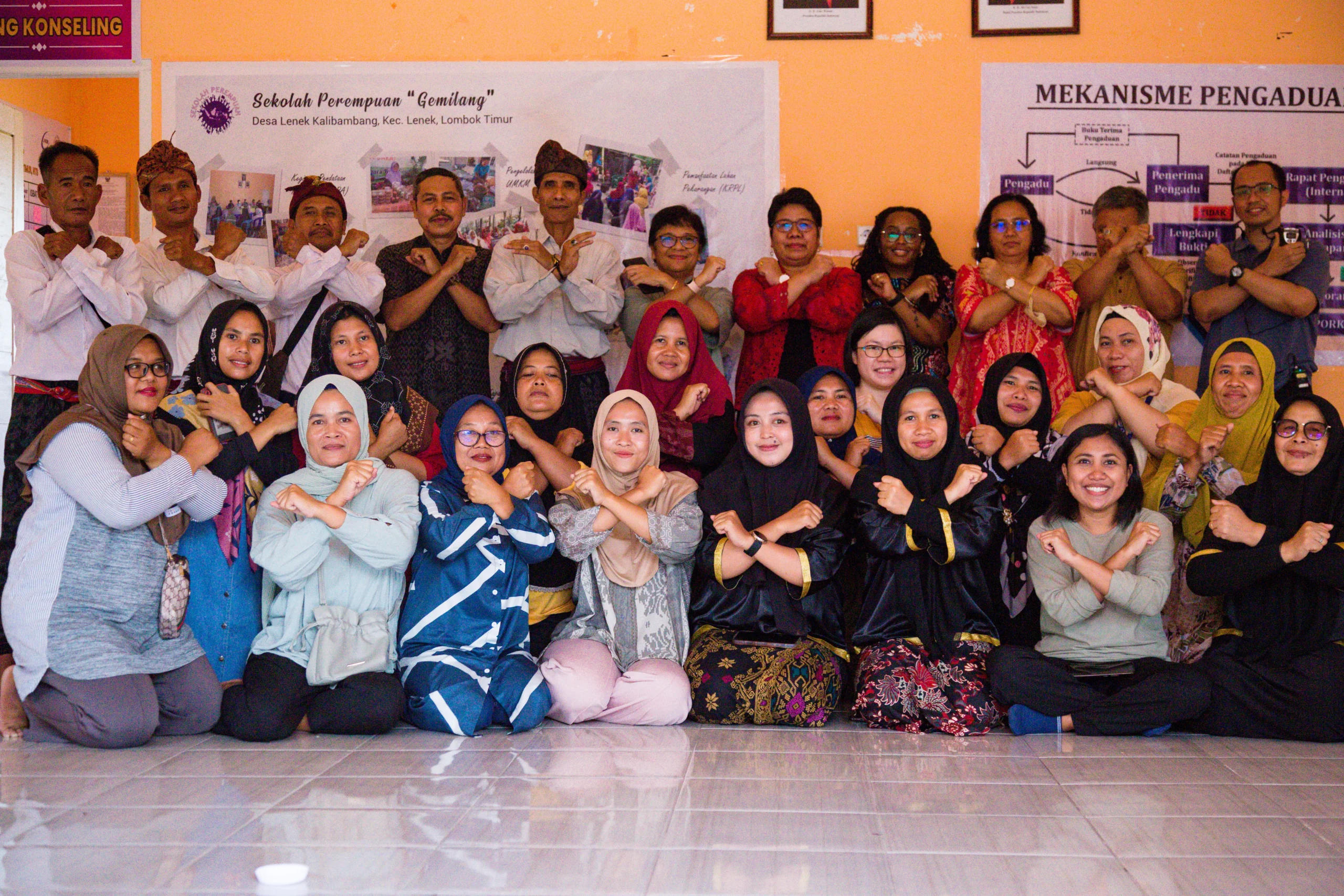
From Grassroots Schools to Presidential Meetings
Read full case study >
KAPAL had 225 feminist schools training women across Indonesia — but lacked a language that opened government doors. Equal Measures’ SDG Gender Index and advocacy training gave them that. KAPAL went from external advocate to trusted policy advisor, presenting data directly to the President and contributing to parliament unanimously raising the marriage age for girls — a reform now implemented through child marriage prevention regulations across 139 villages.
Colombia
Ruta Pacífica de las Mujeres
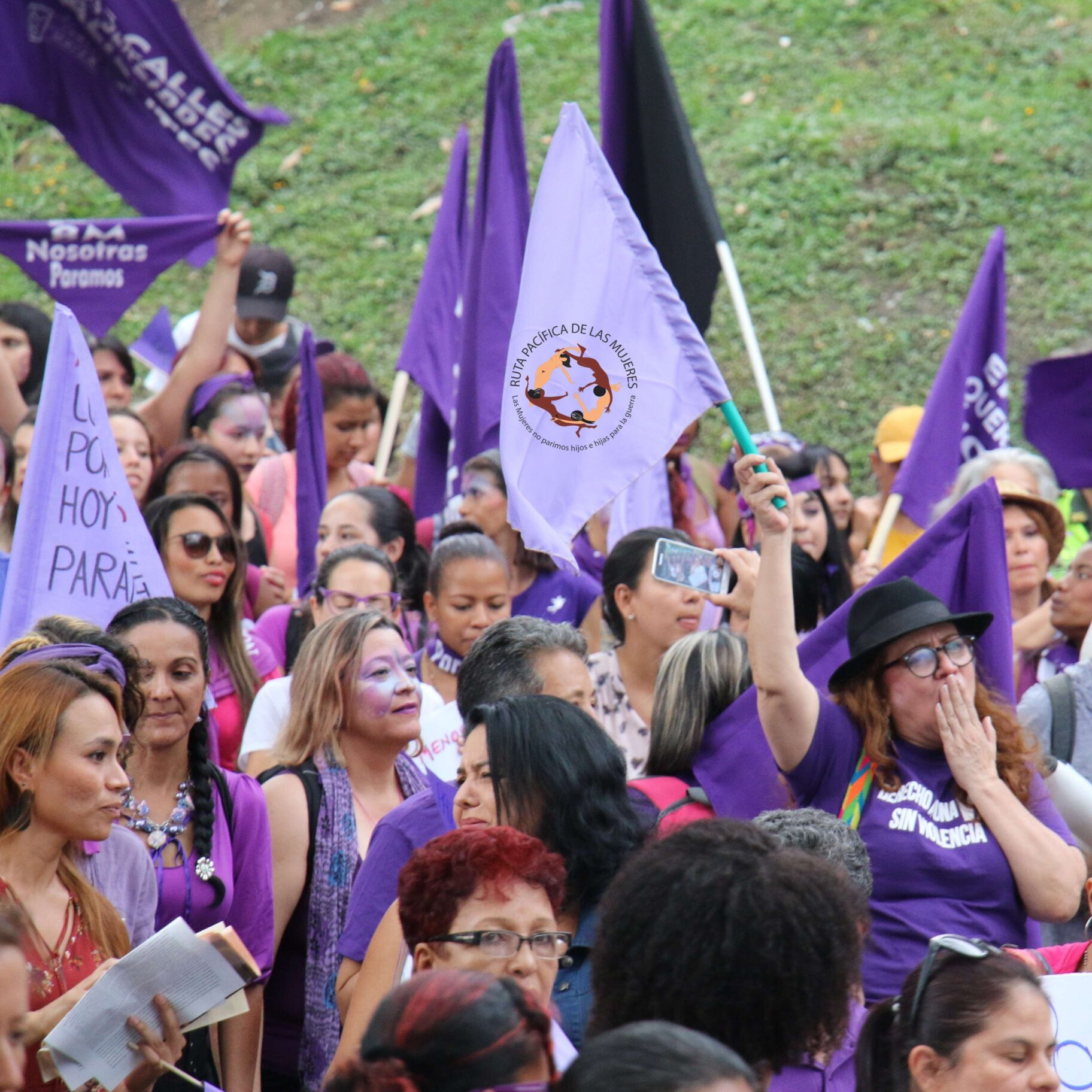
Doubling Budgets. Shaping Peace. Building Power.
Read full case study >
After Colombia’s Peace Agreement, Ruta Pacífica used Equal Measures’ data training and tools across their 300+ member movement to shift from bearing witness to holding government accountable. Their data-backed advocacy doubled women’s secretariat budgets in Medellín, shaped 39 municipal development plans, and put 10 women into political office — proving that when feminist movements combine lived experience with hard evidence, money moves and agendas shift.
Guatemala
ASOGEN
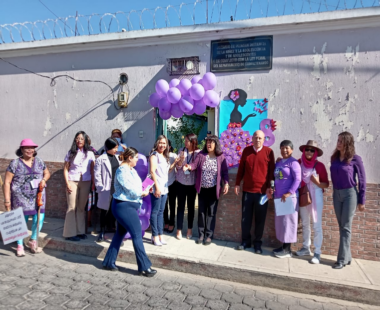
Every Survivor Case Becomes Data. Every Data Point Feeds Change.
Read full case study >
In a country with one of the highest femicide rates in the region, ASOGEN used Equal Measures’ data tools to reframe violence against women as a measurable development failure — securing national budget for survivor services, embedding gender data into justice-sector training for prosecutors and judges, and building a 95% conviction rate in the cases they litigate.
Kenya
GROOTS Kenya
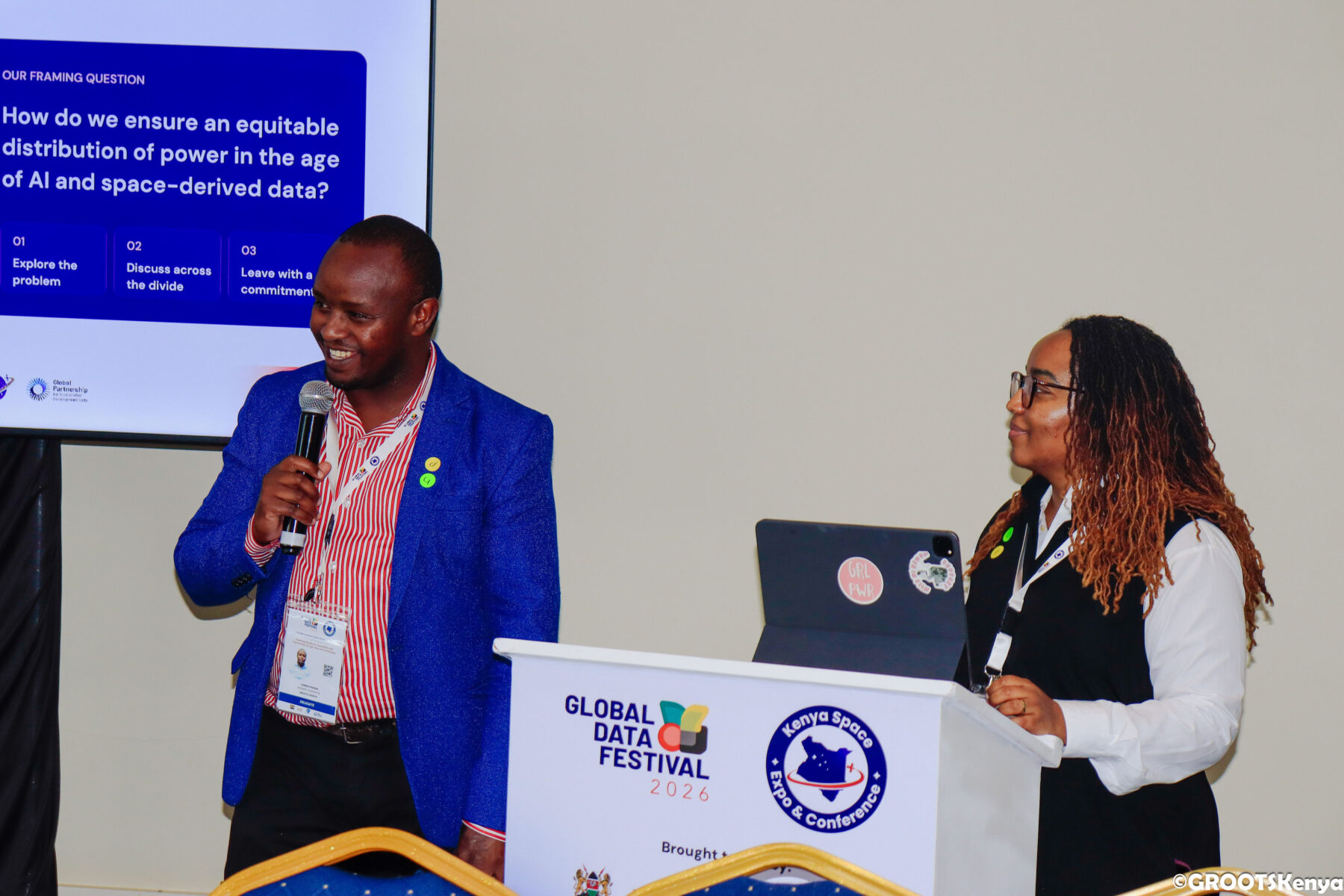
From Grassroots to Government: GROOTS Kenya’s Data-Driven Advocacy Journey
Read full case study >
When county climate allocations excluded rural women’s priorities, GROOTS Kenya used EM2030’s Data-Driven Advocacy approach and SDG Gender Index evidence to engage formal planning processes. Through budget analysis, coalition mobilization, and structured institutional engagement, they influenced county-level resource allocation.
Where We’re Going Next
The 2026 Equal Measures Gender Equality Index reveals a stark reality: 1.6 billion women and girls live in countries where progress has stalled or gone backwards.
But decline is not inevitable. Across the world, Factivists are proving that evidence-backed advocacy can change policies, budgets, institutions, and lives. Now we are scaling what works.
Our goal is to reach 100,000 Factivists by 2030.
Equal Measures works across three connected levels of intervention:
Data & Tools:
Networks & Learning:
Collaborative learning cohorts that help existing networks and movements for gender equality strengthen their use of evidence, alongside time-bound support to seize critical advocacy and policy opportunities.
Country Partnerships:
Tailored support for movements addressing challenges affecting women, girls and gender-diverse people, connecting evidence to the policy, service, budgetary and institutional changes required for long-term systemic change.

Help Build a Global Movement of Factivists
“When we have the facts, we are listened to.”
Gender equality advocates consistently tell us that data-driven advocacy works. Yet 78% say they need more support to use data strategically in their campaigns and influencing efforts.
That is the gap Equal Measures exists to close.
We help gender equality movements and champions turn credible gender data, evidence, and responsible AI into power, influence, and change.
Together, we can build a world where facts are stronger than misinformation—and where evidence helps advance gender equality, not just measure it.
Join us in reaching 100,000 Factivists by 2030.