

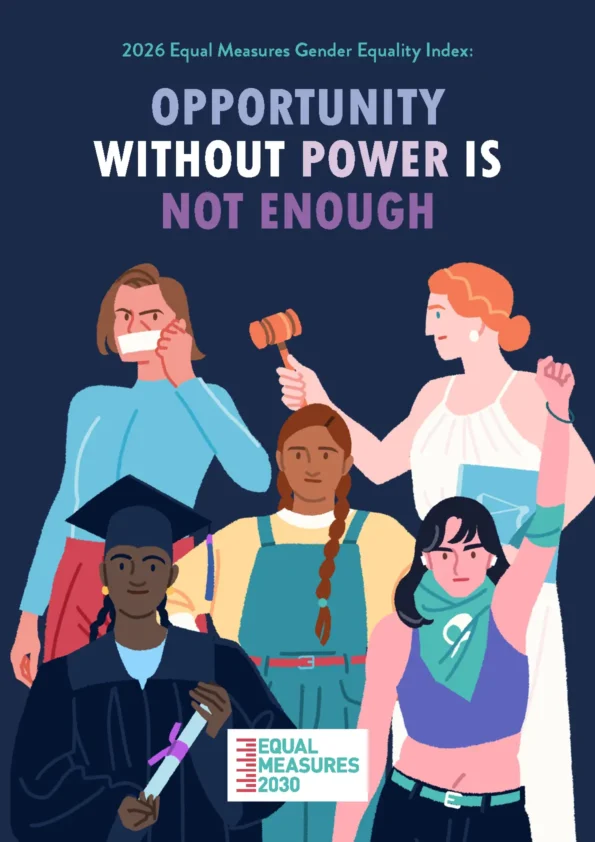
2026 Equal Measures Gender Equality Index
The 2026 Equal Measures Gender Equality Index reveals where progress for women and girls is accelerating, where it is stalling, and where hard-won gains are being reversed. Covering 130 countries and approximately 90% of the world’s women and girls, the Index tracks performance across 27 issues and five dimensions of gender equality, spanning rights, representation, opportunities and enabling conditions. It equips decision makers, advocates and funders with the evidence needed to target action where it is most urgently required.


The World Is Making Progress on Gender Equality, But Not Fast Enough.
No country has yet achieved gender equality, and progress remains uneven across regions, dimensions and indicators. The 2026 Equal Measures Gender Equality Index reveals the unfinished business of gender equality: behind global averages are very different realities, with some areas advancing while others stagnate or fall behind.
live in countries that made progress on gender equality; only 5 per cent live in countries rated ‘Very Good’.
where gender equality stagnated or declined between 2020 and 2025.
of 69.0 out of 100, up just 2.3 points since 2020.
Where does your country stand?
Explore how gender equality varies around the world. Use the “Level” view to see countries’ scores on the 2026 Equal Measures Gender Equality Index, or switch to “Pace of Change” to see where progress accelerated, slowed, or reversed between 2020 and 2025.
The Story Behind the Scores
Progress continues, but not fast enough
Gender equality has improved since 2020, but no country has yet achieved it and one-third of countries have stagnated or declined.
69/100 Global average Index score in 2025.
The geography of progress is changing
Many of the fastest gains are occurring in Latin America, Asia, Sub-Saharan Africa and the Middle East & North Africa, while several high- income countries are moving in the wrong direction.
80% Of low- and lower-middle-income countries made progress between 2020 and 2025.
Progress is possible
Countries are making gains in health, education, digital inclusion and economic opportunity, showing that policy choices and investment can drive change.
72 countries made fast progress on women’s internet use.
Opportunity without power is not enough
The greatest warning signs are in women’s rights, voice and representation.
Gains in opportunity are not always being matched by gains in power.
Women’s access to justice and freedom of expression were the two fastest-declining indicators globally.
The unfinished business of gender equality is not only expanding opportunities, but strengthening power, voice and rights. The 2026 Equal Measures Gender Equality Index shows that progress is possible, but there are clear warning signs on representation, civic freedoms, access to justice and trust in institutions. Without sustained attention to these foundations, any advances we do see today may not endure.
The Five Dimensions of Gender Equality
The Index measures gender equality across five dimensions of women’s and girls’ lives: health and sexual and reproductive health and rights; safety and security; economic opportunity and power; civic space and leadership; and the enabling environment for gender equality. Together, they connect outcomes with laws, rights, representation, public services and the conditions that sustain progress.
1. Health & Sexual and Reproductive Health and Rights (SRHR)
Can women and girls access the healthcare, services and rights they need to make decisions about their bodies and lives? This dimension measures health outcomes, reproductive rights, access to family planning, and women’s experiences of healthcare and essential services.
2. Safety & Security
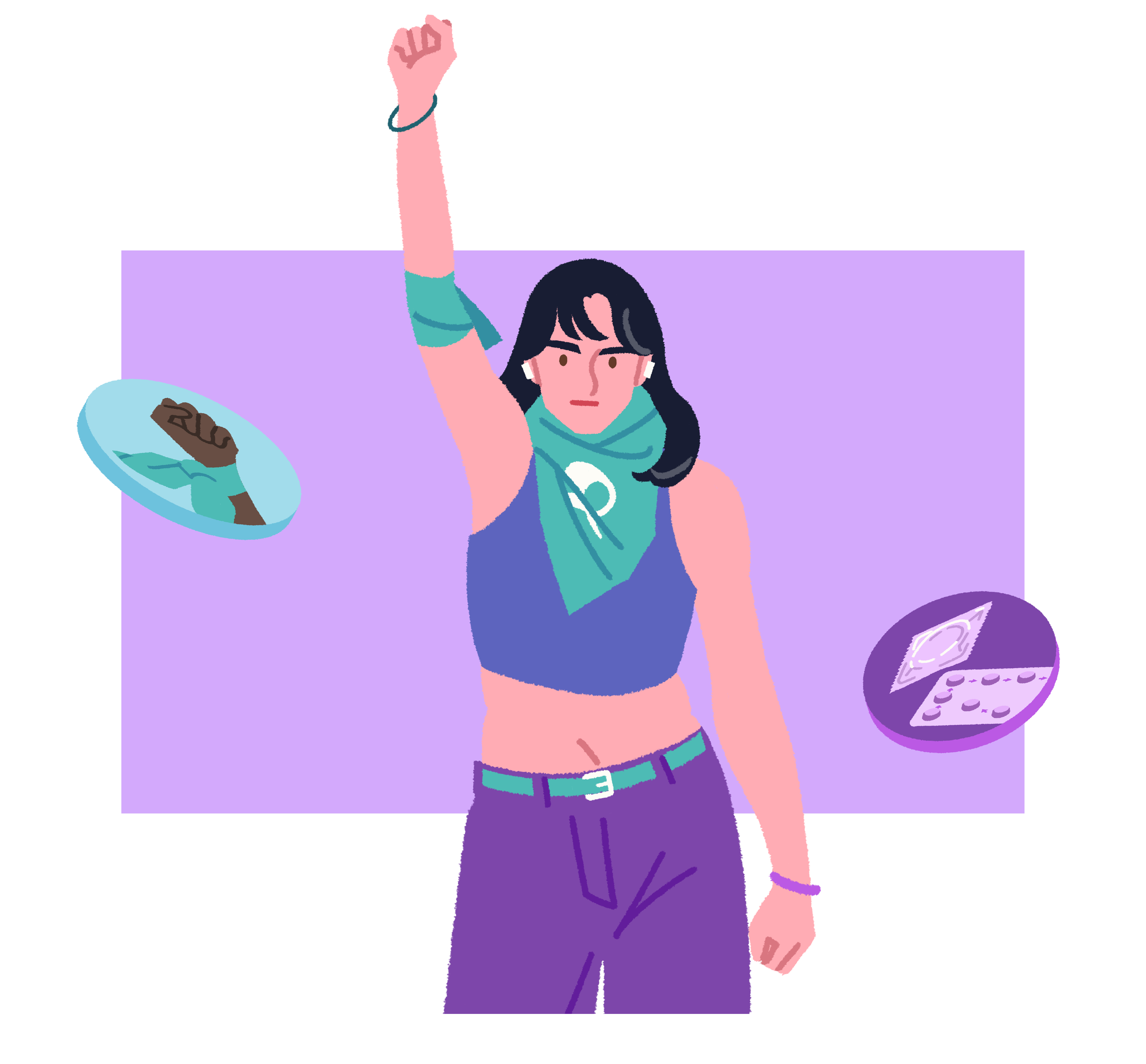
Can women and girls live free from violence, discrimination and insecurity? This dimension tracks safety, access to justice, harmful practices, climate-related vulnerability, and whether women feel safe in their communities.
3. Economic Opportunity & Power
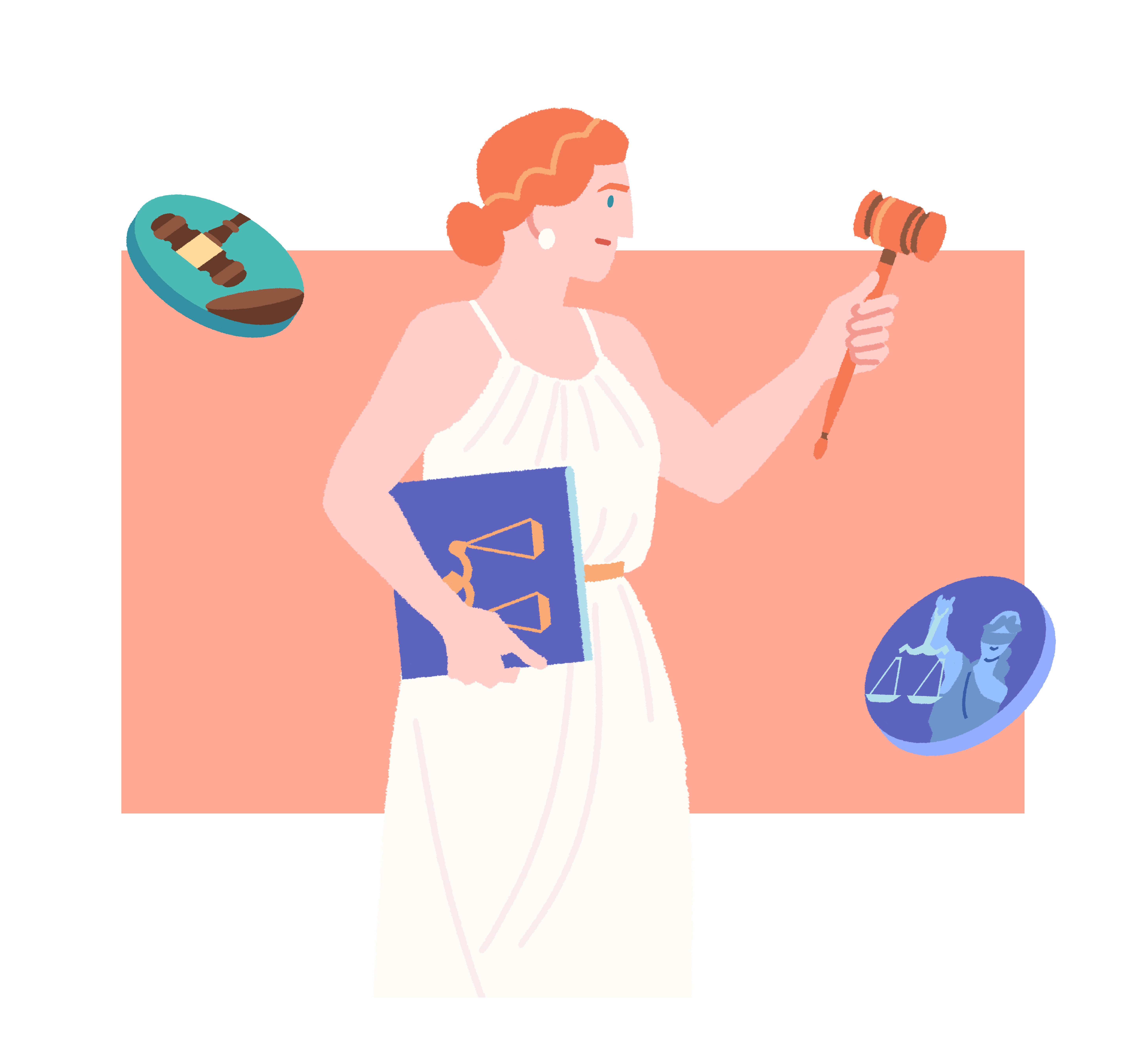
Do women have the resources, skills and opportunities to participate equally in economic life? This dimension examines education, digital access, financial inclusion, work, and legal protections that support women’s economic independence and decision-making power.

4. Civic Space & Leadership
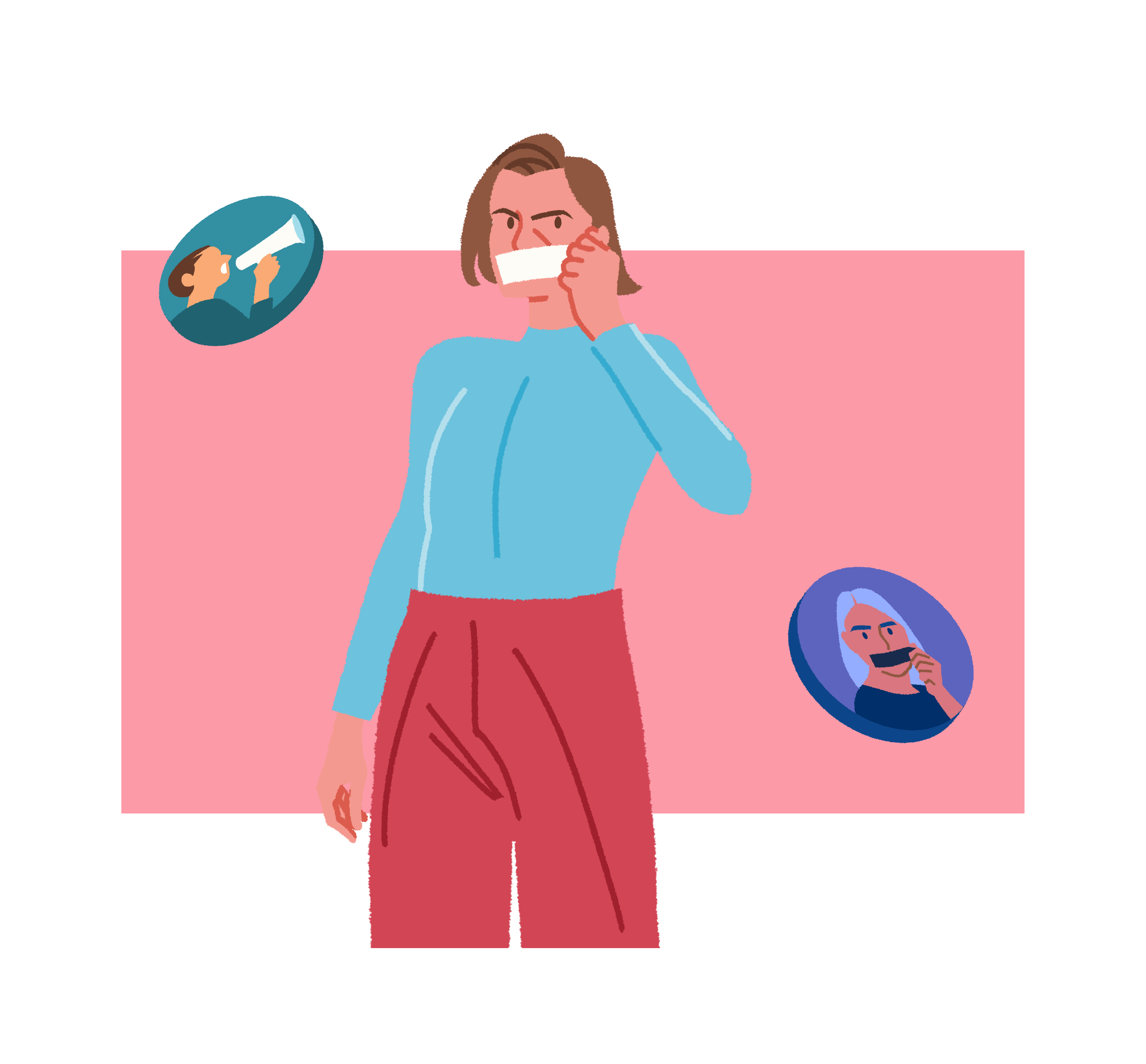
Can women shape decisions, exercise their rights and influence the future? This dimension measures women’s representation in leadership, participation in public decision-making, freedom of expression, and the rights and freedoms that enable women to organize, advocate and lead.
5. Enabling Environment for Gender Equality
Are the systems and institutions needed for gender equality in place? This dimension assesses the public services, financing, data systems and governance conditions that help sustain progress and create opportunities for women and girls.
About Equal Measures
Equal Measures helps gender equality movements transform data into influence. Through the Index, advocacy tools, training, and a growing global network, we are working toward a future where 100,000 Factivists are using evidence to challenge misinformation, strengthen accountability, and drive change. Learn more about our work and strategy.
Stay connected by signing up for our newsletter and following us on social media.
