
Storytelling with Gender Data – Highlights from our Fellows


Earlier this year, we launched the Storytelling with Gender Data Fellowship with one goal: to bridge the gap between data and action—to help advocates, journalists, and changemakers transform statistics into stories that spark accountability and drive progress toward gender equality.
At Equal Measures 2030, we believe that data has the power to expose inequality and motivate change. But data alone isn’t enough. It becomes transformative only when the people closest to the issues can interpret it, humanize it, and use it to demand better.
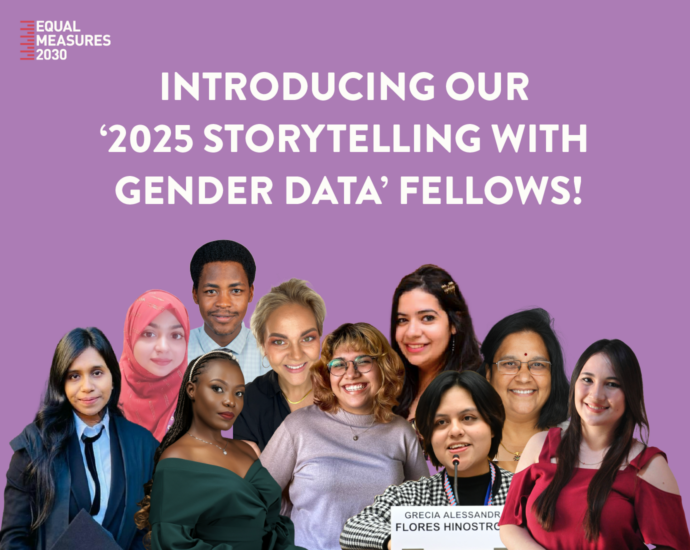
Through a series of workshops on the SDG Gender Index, data visualization, storytelling formats, and using evidence to shape policy, our 2025 cohort learned to do exactly that. Over six months, fellows from across Africa, Asia, and Latin America turned global gender data into local advocacy tools crafting blogs, policy briefs videos, comic strips, and infographics.
“This fellowship showed me that invisibility is political — but it can be challenged. By combining data with storytelling, I gained the confidence and tools to advocate more effectively for women and girls.”
The results speak for themselves.
- 100% of fellows said they now feel more confident using gender data in their storytelling and advocacy.
- 100% said their access to gender data, tools, and analysis improved.
- Fellows now regularly use the SDG Gender Index, UN datasets, NFHS/DHS surveys, and tools like Flourish and Tableau to bring data to life.
“The most valuable thing I gained was the ability to transform gender data into compelling stories that drive advocacy and action. It gave me not just technical skills, but the confidence to use evidence as a voice for women and girls.”
For some, that meant uncovering the hidden inequalities behind national averages; for others, it meant revealing how progress on paper doesn’t always translate into progress in women’s lives.
Each story — grounded in evidence and told through a feminist lens — reminds us that data is never neutral. It reflects who is counted, who is missing, and whose realities are seen as worth measuring.
Here’s a look at the stories they created, and how they’re using data to drive action:
Agnes Angule, Kenya
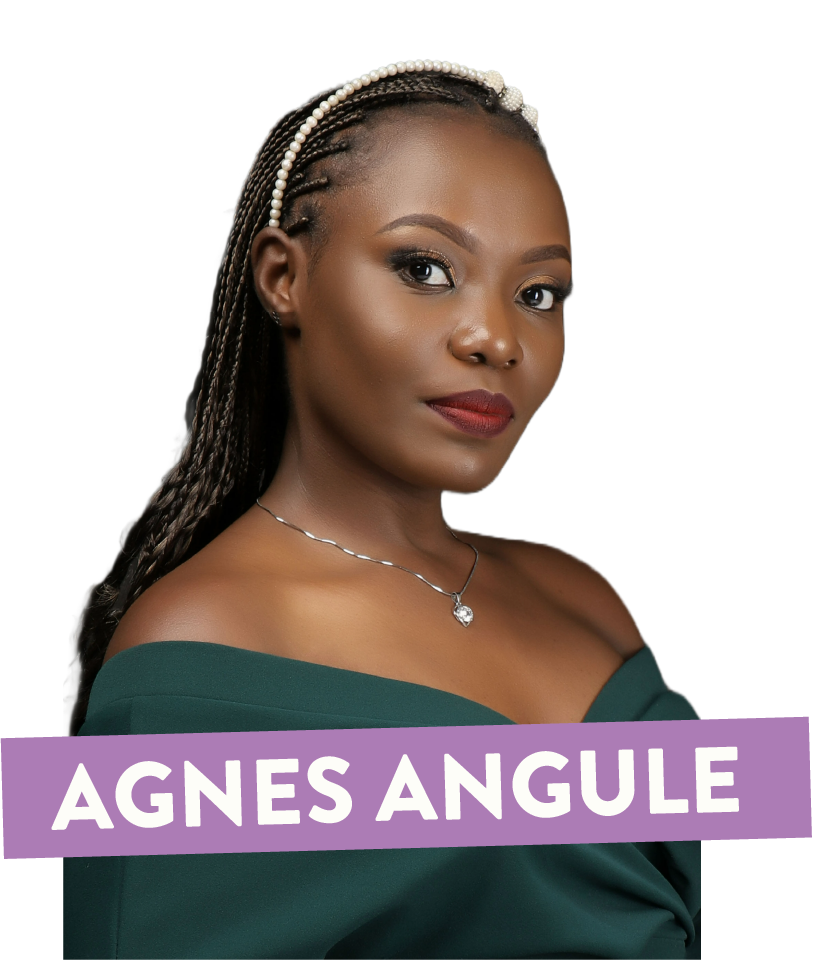
Agnes produced a multi-media project to highlight the exclusion and isolation of refugee women and girls who lack access to the internet and digital sphere. As she writes in her article “when you’re disconnected, you’re not just missing out on social media, you’re cut off from school, health information, jobs, and even a voice in your own community.” Agnes supported this article, with a short video documentary, audio snippets and infographics to ensure a broad audience could be reached.
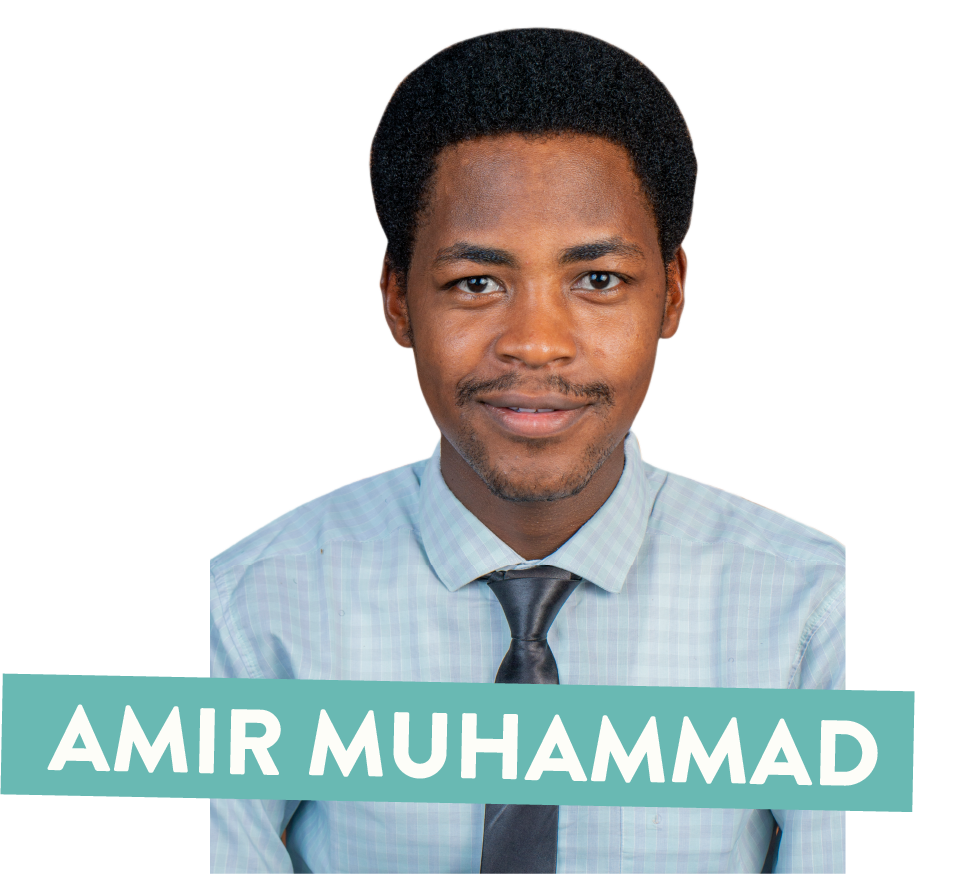
Amir Muhammad, Nigeria
Did you know that just women make up just 4% of Nigeria’s 10th National Assembly? Through analysing data on political representation, Amir makes the case for gender quotas in Nigeria’s Parliament. Through real-life experiences, data-driven narratives and positive case studies from Rwanda, Senegal and South Africa, this project highlights both the barriers and solutions to women’s political representation. “Gender data gave my story the power to move from outrage to advocacy; it turned a shocking number into a call for reform.”
Frida Alejandra Ibarra Zavaleta, Mexico
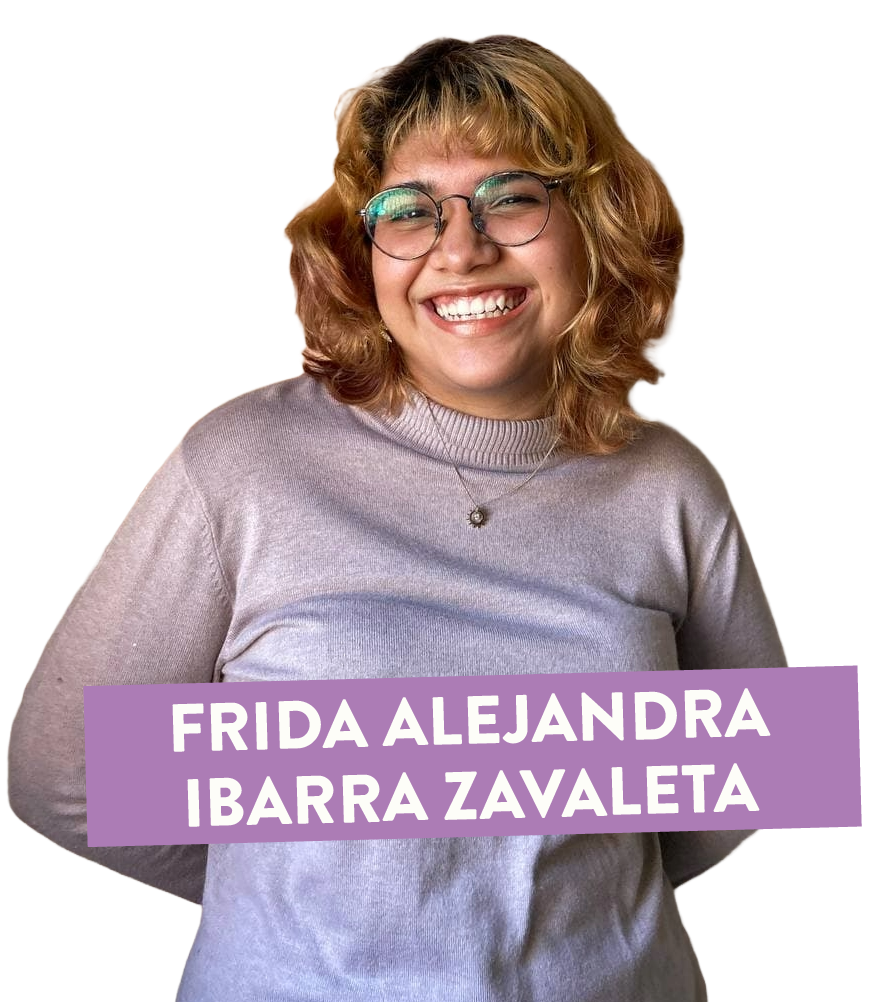
Frida’s article, published in Global Voices, explores the challenges and opportunities for girls’ education and digital inclusion in rural Chiapas, Mexico, where poverty, gender inequality, and limited internet access continue to restrict opportunities. Drawing on personal family experience across three generations, she highlights how initiatives like Tecnolochicas and Indigenous-language STEM programs are empowering girls to gain skills, confidence, and leadership opportunities while preserving their cultural heritage. While this piece focuses on individual stories, the fellow also aimed to write a longer academic essay examining the invisibility of women in Mexican data, tracing its roots to colonialism, the political dimensions of data collection, and the impacts on equality.
“Representation matters, but without real access to health and rights, it becomes an illusion of progress. Gender data gave me the evidence to expose this paradox in Peru and to call for action that goes beyond appearances.”
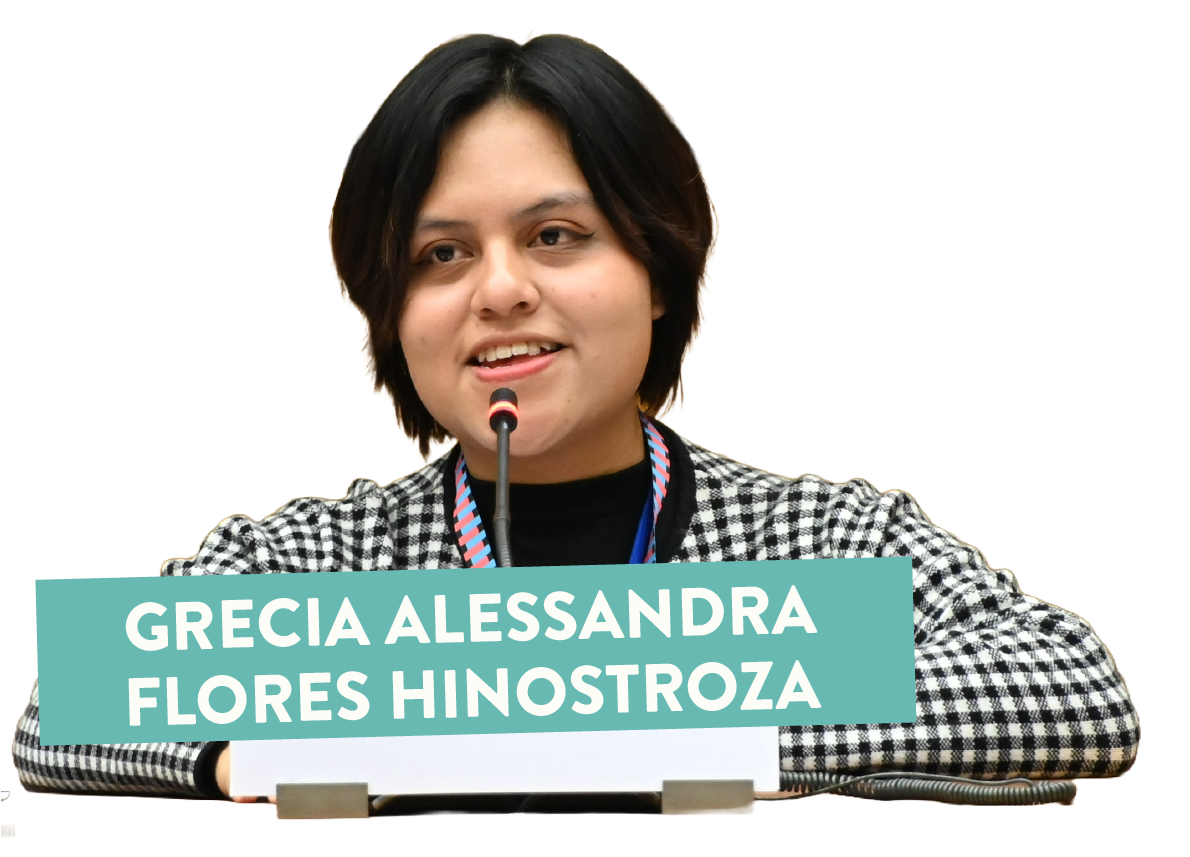
Grecia Alessandra Flores Hinostroza, Peru
As the founder of WISE (Women for International Studies and Equality), Grecia launched HerStory Unheard—a storytelling initiative that amplifies underrepresented voices in gender equality. Grecia’s project questions whether women’s representation in politics trickles down to improve the lives of the most marginalised women and girls in Peru. She explores this with a powerful article, published in Global Voices, that interrogates the gap between policy and implementation. This is reinforced with an accompanying open letter to policy makers demanding they take action and ensure policy impacts the lived realities of these women and girls.
Mahpara Zulqadar, Pakistan
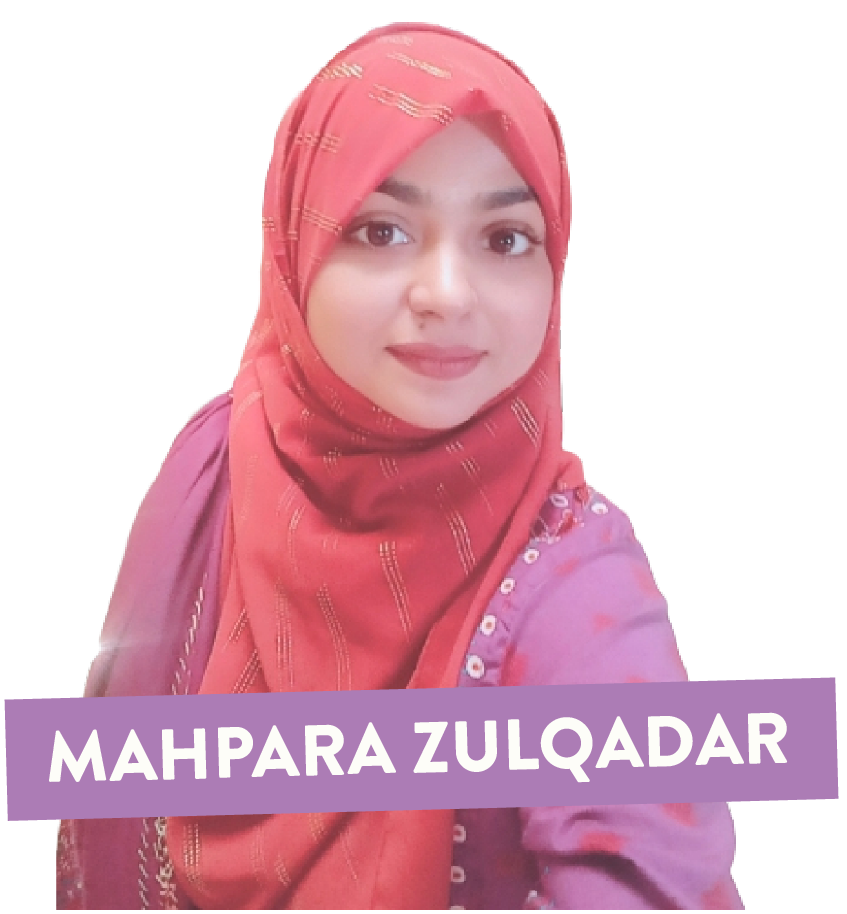
Why are girls in South Punjab, Pakistan, still being married off before the age of 15, despite laws meant to protect them? In this powerful piece, Mahpara weaves together the story of 14-year-old Zunaira with the voices of parents, teachers, and religious leaders to expose the deep-rooted social, economic, and cultural forces that sustain child marriage. Grounded in gender data and Pakistan’s shifting legal landscape, her article reveals the gap between policy and practice—and the urgent need to pair legal reform with community engagement, education, and economic support. Mahpara supported this piece — published in Global Voices — with a social media campaign aimed to target younger audiences through social media.
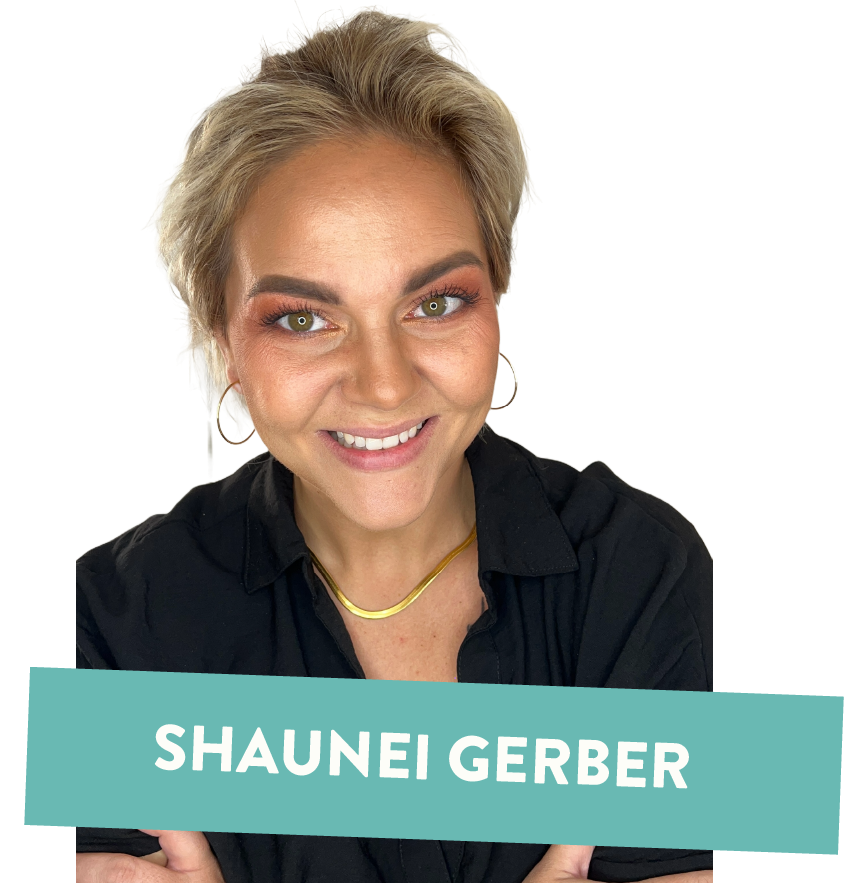
Shaunei Gerber, South Africa
Shaunei heads Marketing and Communications at FuturElect – an organisation designed to increase the participation of African women and youth in government. To support this work, Shaunei developed a multi-media project consisting of an article, an infographic one-pager, a social media campaign and a video clip, to target a multitude of audiences. Her project reveals that, despite global commitments to gender parity in politics by 2030, Ghana isn’t on track to reach equal representation in government until 2090. She provides a regional analysis to reveal the barriers and potential solutions open to Ghana.
Thiripurasundari Thiyagarajan, India
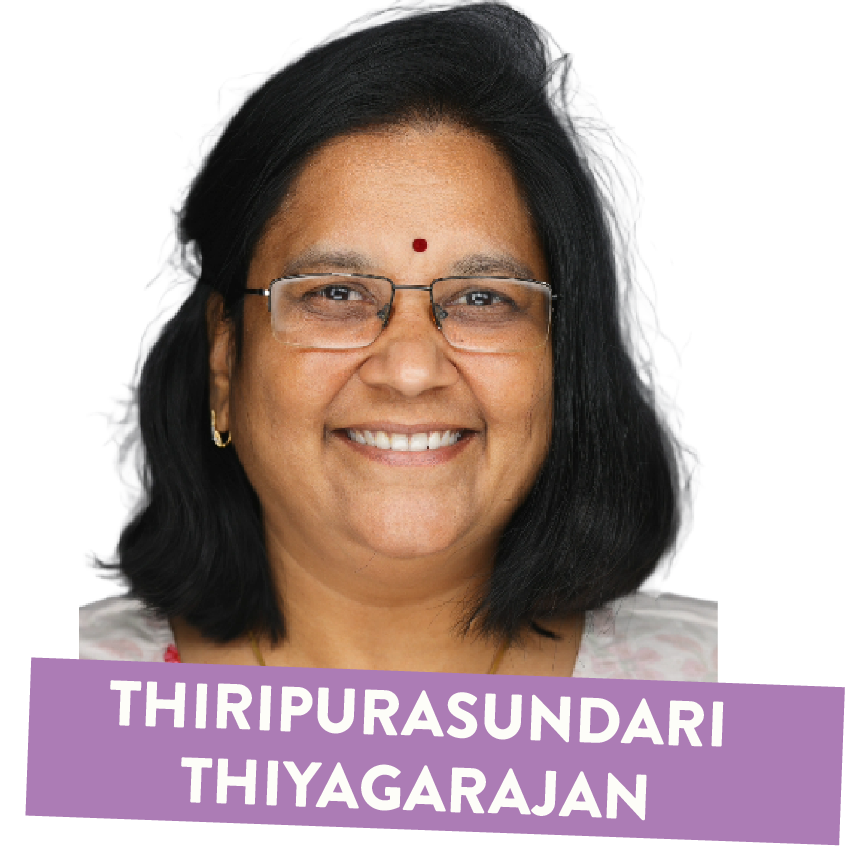
Thiripurasundari’s uses video format to follow the story of Deepa, a young girl from rural Tamil Nadu, who was forced to drop out of school after puberty due to cultural norms and misconceptions around menstruation. Determined to pursue education, she learned about her body and rights from a health worker, which gave her the confidence to challenge these myths. With courage, she convinced her parents and elders to allow her to continue studying, proving that awareness and education can break barriers for girls. Thiripurasundari paired this human-focused narrative with a policy brief on Sexual and Reproductive Health and Rights (SRHR), targeting policy-makers with the data and evidence they need to realise SRHR for adolescent girls—particularly those from rural and marginalized communities.
Yarely Madrid, Honduras
In her article “Women Who Sustain the Country Without Guarantees,” Yarely spotlights the resilience and leadership of Indigenous women in Honduras who sustain their communities despite systemic neglect. Through the powerful stories of Mercedes, Marta, and Mirna—Lenca, Tolupán, and Miskita women—she exposes how inequality persists across generations in education, health, and security, while weaving in gender data from the SDG Gender Index and national studies to show the stark realities behind the numbers. The piece, accompanied by striking social media infographics, illustrates that while Honduras ranks among the lowest globally on indicators like access to clean water and freedom from violence, it is women—without rights or guarantees—who keep their communities alive.

We’re incredibly proud of what our fellows have been able to achieve with these stories. Over six months, they learnt to connect data with human stories in ways that link global evidence to local realities, and turn information into compelling insights that can drive change.
As one fellow shared, “I learned how to tell stories with an intersectional and decolonial lens, making sure that the voices of those most often excluded are respected and centred.” Another reflected that the experience “reaffirmed my belief that data becomes meaningful only when it is connected to lived realities and used to drive change.”
For many, the fellowship built new confidence and purpose. “It taught me that data can be used not only for analysis, but also for advocacy and social change,” one noted. “Most importantly, it deepened my confidence to use data as a voice for women and girls.”
Whilst the fellowship has come to a close, the work for a gender-equal future continues. Fellows are already applying the skills they’ve learnt, using gender data to advocate for inclusive leadership in local elections in Nigeria, to advance research on femicide in Pakistan, to strengthen monitoring and evaluation systems across programmes, and to shape gender-responsive advocacy through youth-led initiatives. Others are taking their next steps into academia — like one fellow pursuing a Master’s in Data Science through the British Council’s Women in STEM Scholarship, determined to advance gender equality with a decolonial lens.
Together, they are proving that when data is held by those closest to the fight for equality, it becomes a catalyst for justice and accountability — transforming not only how stories are told, but how change is made.