
Realizing the human right to care: A key agenda for gender equality and justice


On August 12th-15th Mexico hosted the 16th Regional Conference on Women in Latin America and the Caribbean, with a central focus on building a care society and advancing gender equality. This year’s meeting was especially significant, commemorating the 30th anniversary of the Beijing Declaration and Platform for Action, and bringing together more than 1,200 representatives from governments, civil society, women’s and feminist movements, academia, intergovernmental organizations, parliamentarians, and agencies of the United Nations system.
A landmark ruling on care
The conference took place in the wake of a landmark ruling by the Inter-American Court of Human Rights (IACHR), which on August 7 recognized the right to care as ‘a basic, unavoidable, and universal need, upon which both the existence of human life and the functioning of life in society depend’.
This ruling is a victory for the feminist movements in the Latin American and Caribbean (LAC) region that have promoted the recognition of the right to care as a fundamental pillar to achieve gender equality and justice for almost two decades. It also sets the stage for governments and other actors to act as reflected in the Tlatelolco Commitment, a regional and national roadmap for the next 10 years, aimed at creating institutional regulatory frameworks and strengthening the capacity of countries to guarantee the right to care, resource mobilization, cooperation, evaluation, and accountability.
This shift is particularly important given the current context. Our SDG Gender Index 2024 reveals that from 2015, in the LAC region, the scores for indicators of women’s perceptions on economic well-being, food security and housing affordability all fell by 2022. Amid overlapping crises regarding democracy, resources, safety and security, changes in demographic dynamics and care needs make the creation of comprehensive care systems even more urgent. For these systems to be effective, they must be rooted in feminist, intersectional, intercultural, and territorial perspectives. Transforming the political, economic, social, cultural, and environmental spheres in favor of women and girls require firm political commitments, decisive actions, and inclusive participation of feminist and women’s movements.
The role of data
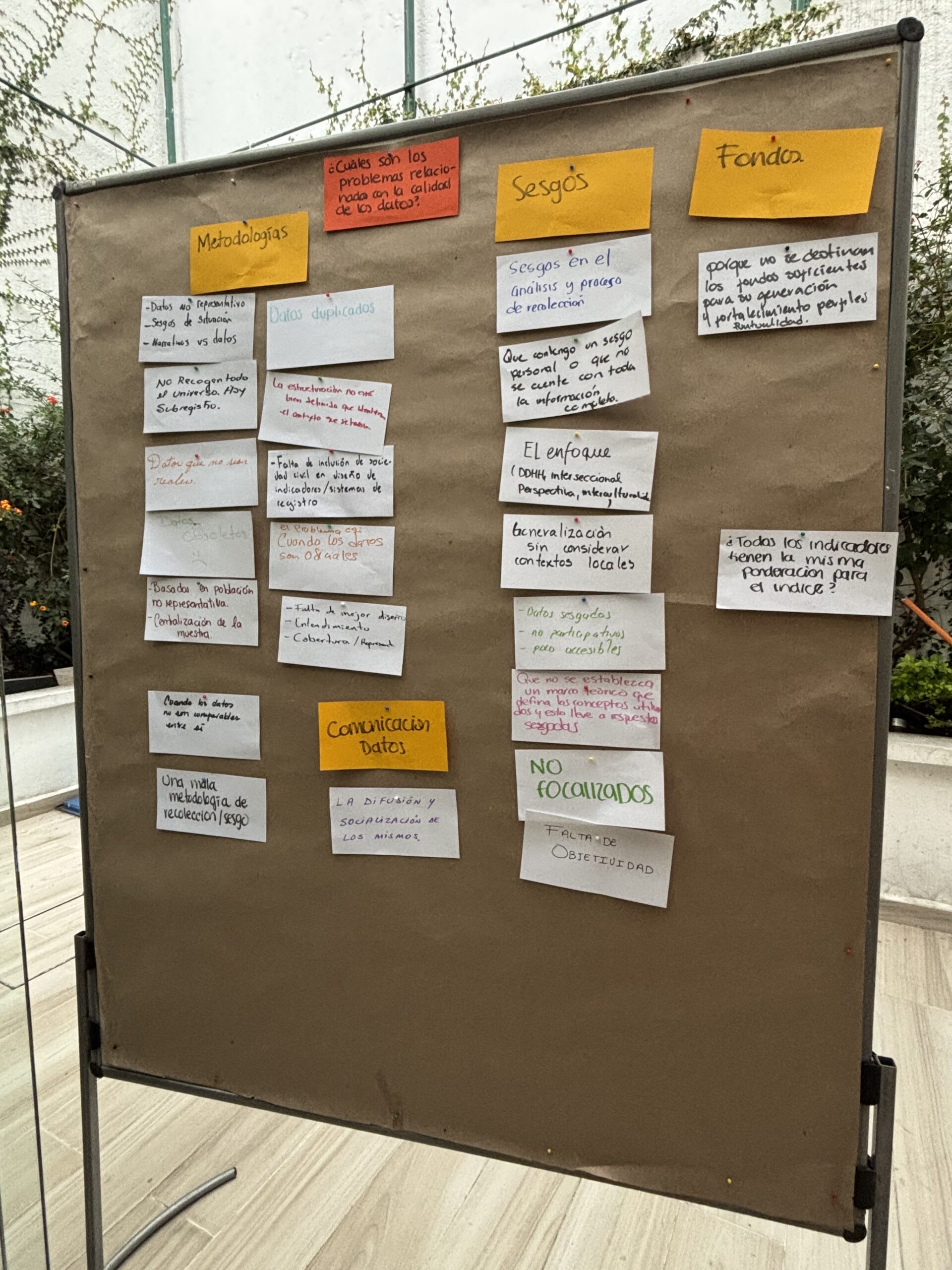
Reliable, timely, and accessible gender data will be fundamental to advancing these efforts. That’s why the revival of the Gender Equality Observatory by ECLAC (Economic Commission for Latin America and the Caribbean) —announced during the regional conference— is so important. It will help to track progress (or lack thereof) on gender equality and care policies in the region, ensuring accountability for the commitments made 30 years ago that remain binding in the 2030 Agenda for Sustainable Development.
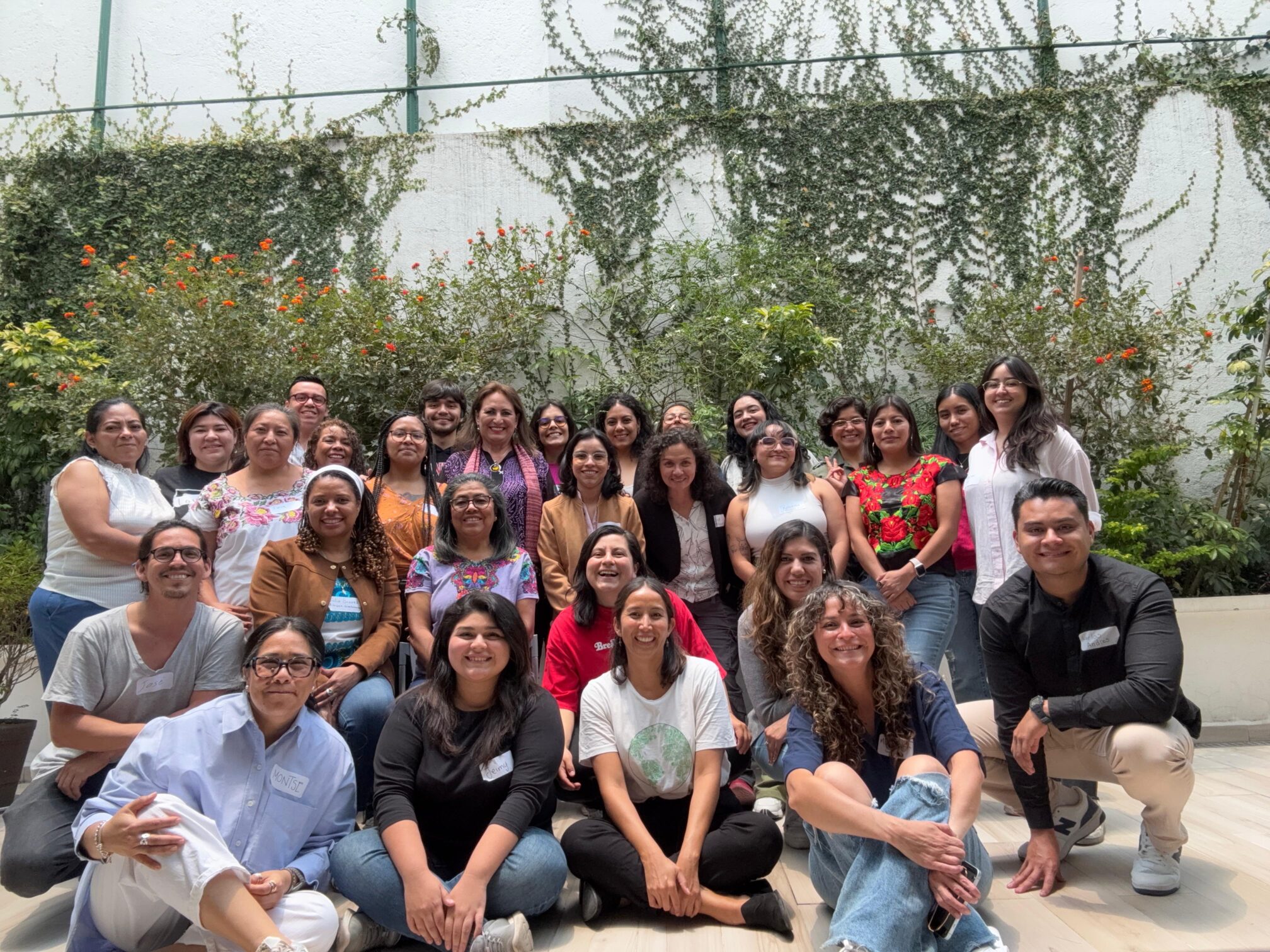
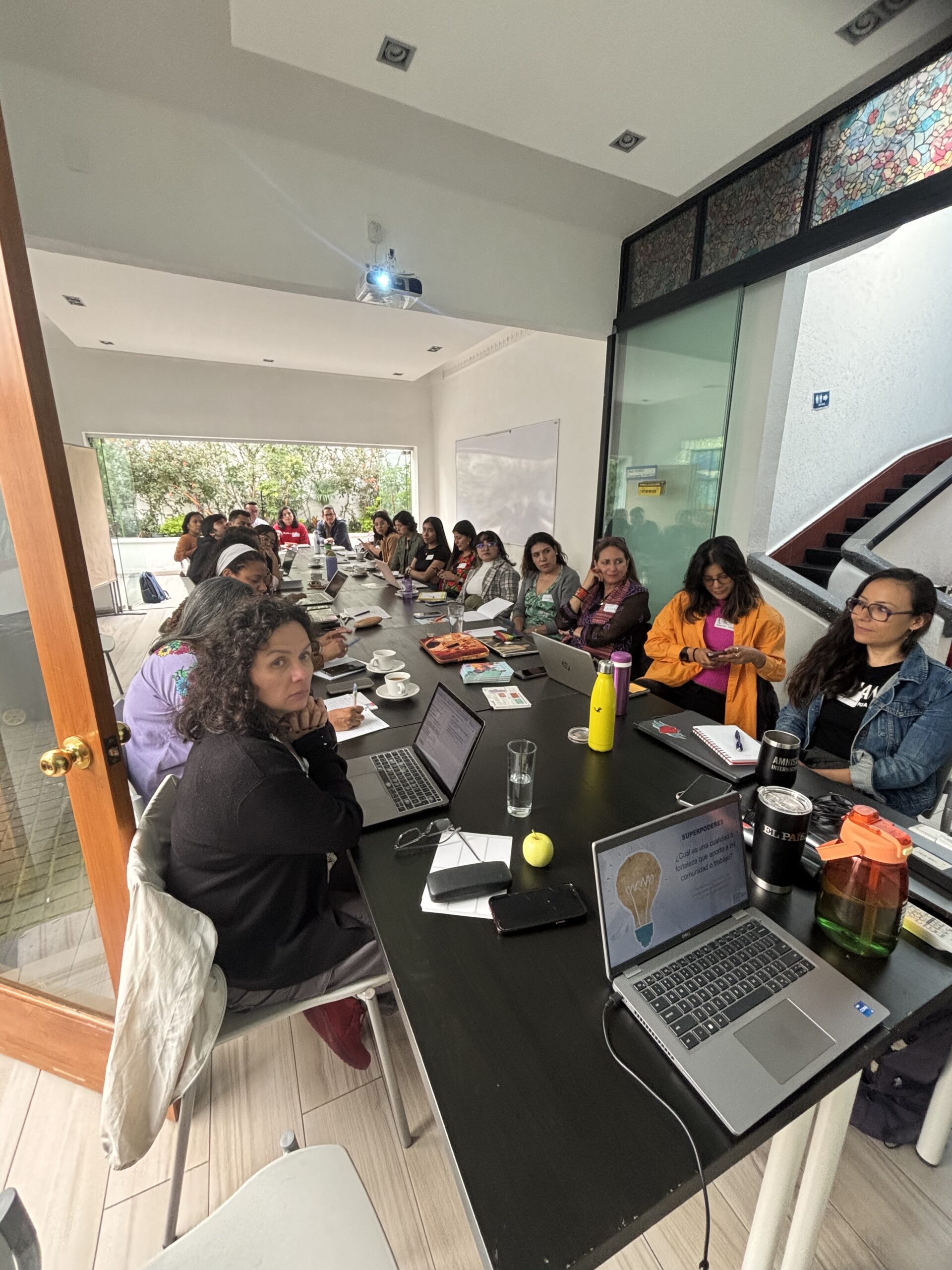
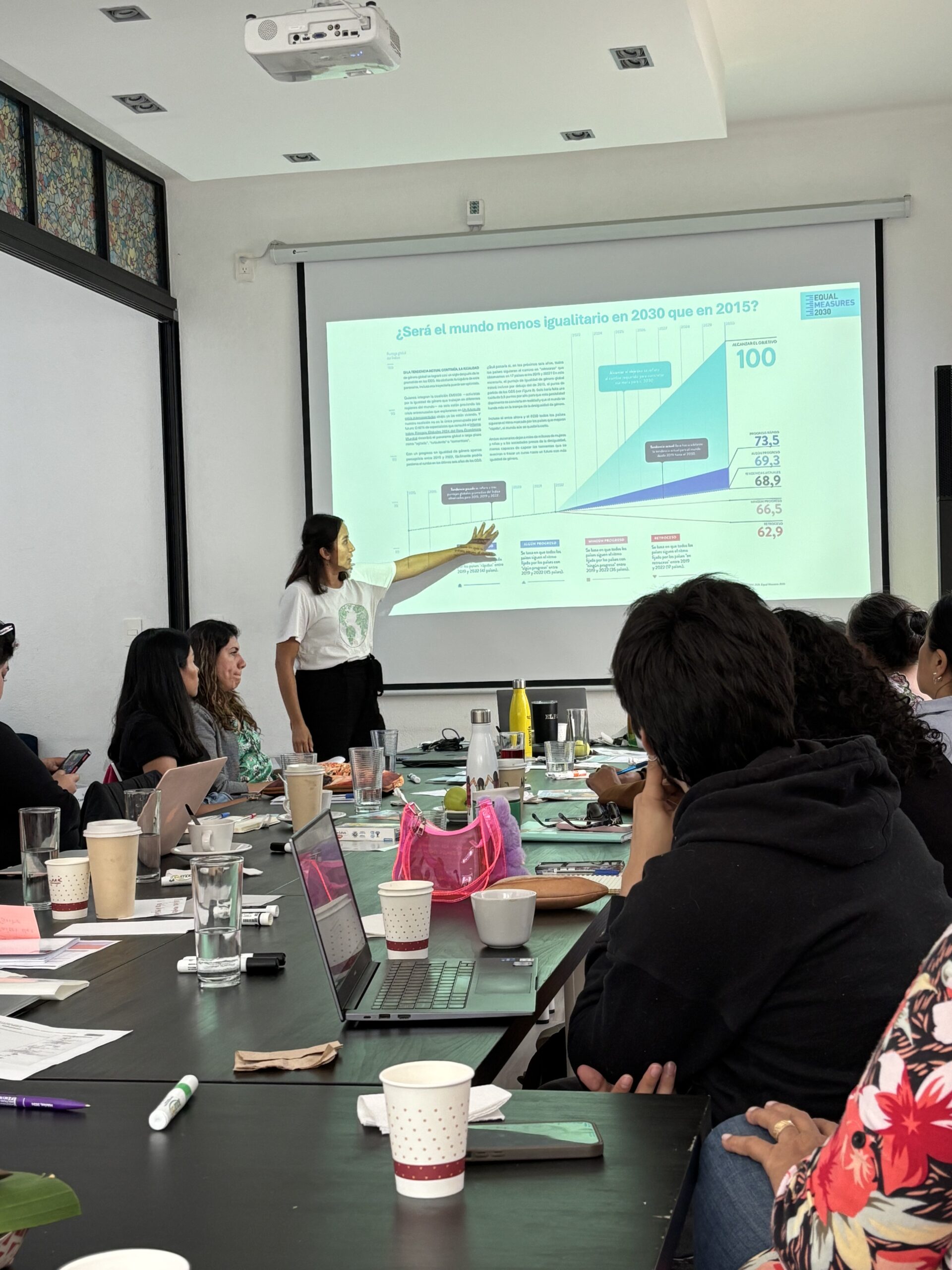
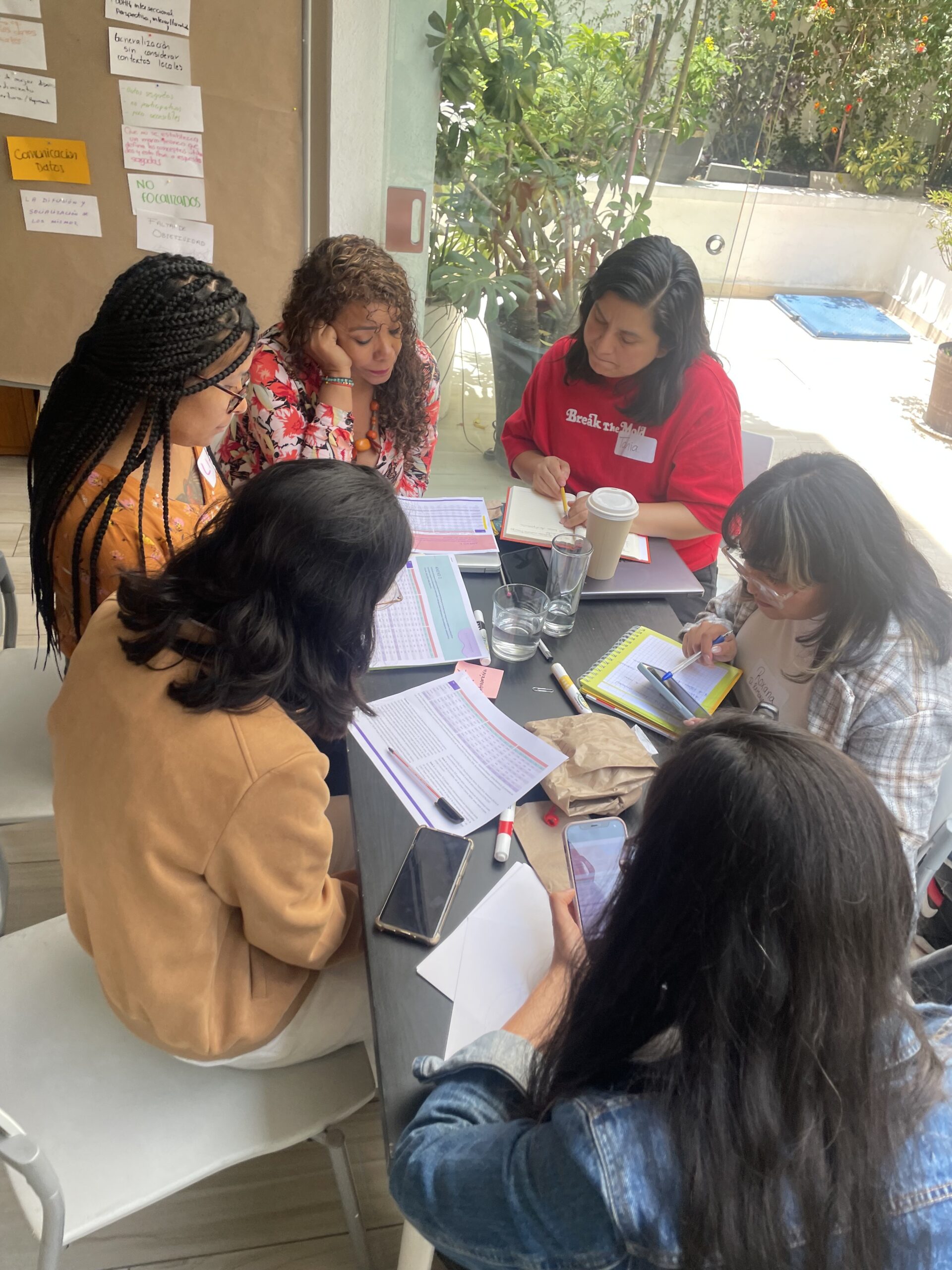
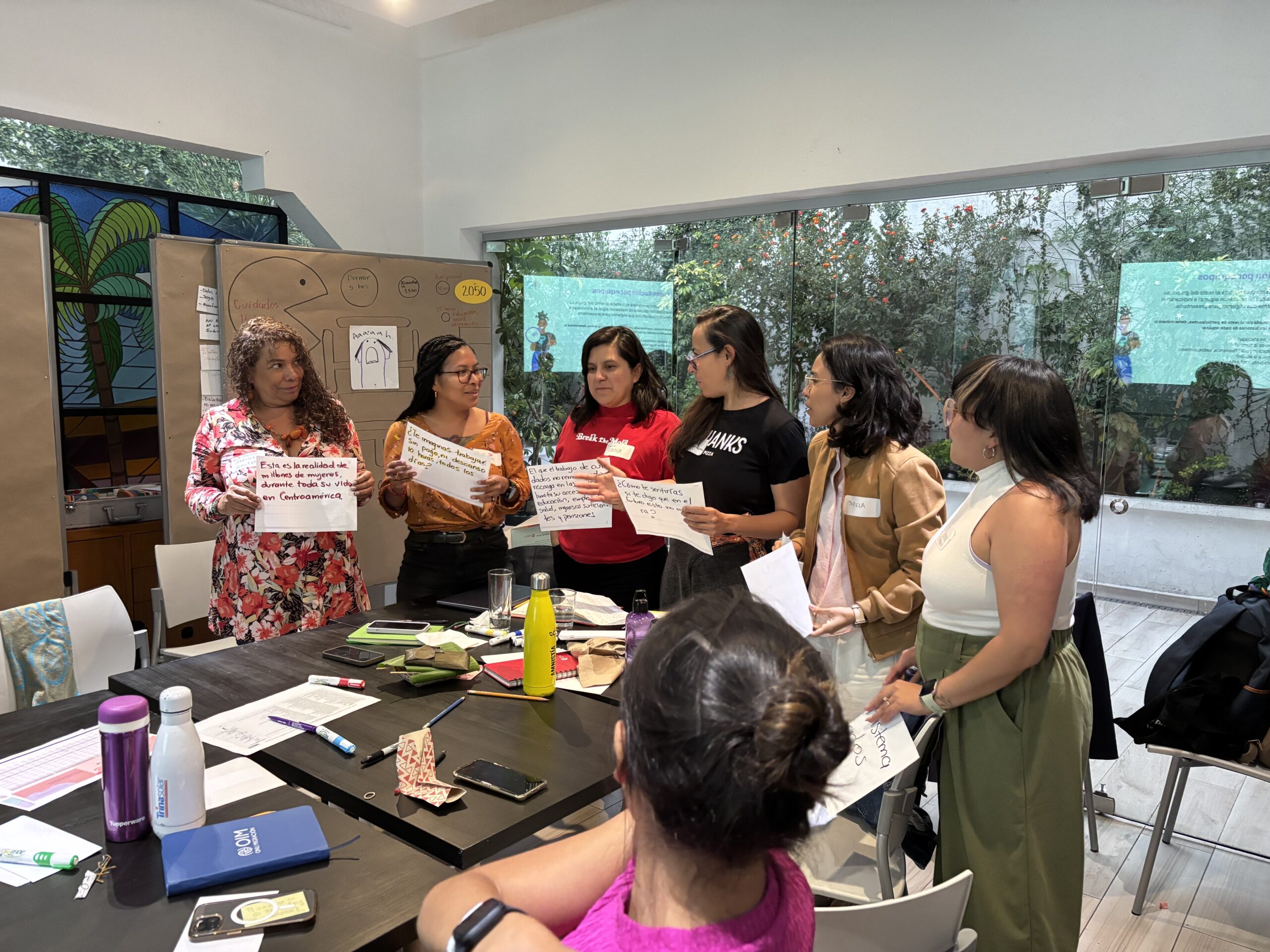
The EM2030 coalition, together with our three members in the region —CLADEM, ASOGEN, and Ruta Pacífica de las Mujeres— was proud to participate in this important event. Prior to the conference, EM2030 hosted a data-driven advocacy workshop with 30 gender advocates from Mexico, Colombia, and Guatemala, reflecting on the importance of data to accelerate action towards gender equality and in building care societies. CLADEM also convened a side event “Debts and Challenges of Democracy to Women in Latin America and the Caribbean: Parity and Care Policies as Key Mechanisms for Advancing Parity Democracy”, that highlighted the interconnectedness of care policies and strong democracies that ensure women’s political participation, economic and social justice.

Looking ahead
Our task ahead is to consolidate the recent gains in the care agenda and push back against the conservative, anti-rights forces seeking to roll them back. This means confronting the financing crisis head-on, ensuring women and girls have a voice at every decision-making table, and building care systems that last. Achieving gender equality cannot wait another 100 years, and the recognition of care as a human right cannot be denied for the next generation.